13×9 Baking Pan Guide: The Most Versatile Pan in Your Kitchen
There are kitchen tools that get all the attention. The gleaming Dutch oven. The perfectly seasoned cast-iron skillet. The stand mixer that weighs approximately as much as a toddler and has been sitting proudly on the counter since you bought it.
And then there’s the 13×9 pan.
It isn’t particularly flashy. Nobody is building an entire kitchen aesthetic around one. But when dinner needs to get made, brownies need to get baked, or you suddenly remember you volunteered to bring something to a potluck tomorrow, the humble 13×9 is ready for action.
Also called a 9×13 pan, because apparently we couldn’t even agree on which dimension to say first, this kitchen workhorse can bake cakes, roast vegetables, cook casseroles, handle baked pasta, make one-pan dinners, and go straight from oven to table depending on its material and design.
If you own only a handful of baking pans, a good 13×9 deserves a spot in the lineup.
TABLE OF CONTENTS
- Unexpected Uses for a 13×9 Baking Pan
- Material Matters: Choosing Your 13×9 Pan
- Recipes You Can Make in a 13×9 Pan
- Maintaining Your 13×9 Pan for Longevity
- What Makes a Pan Versatile?
- Investment Worth: The Long-Term Value of Quality Kitchen Equipment
- Frequently Asked Questions
Unexpected Uses for a 13×9 Baking Pan
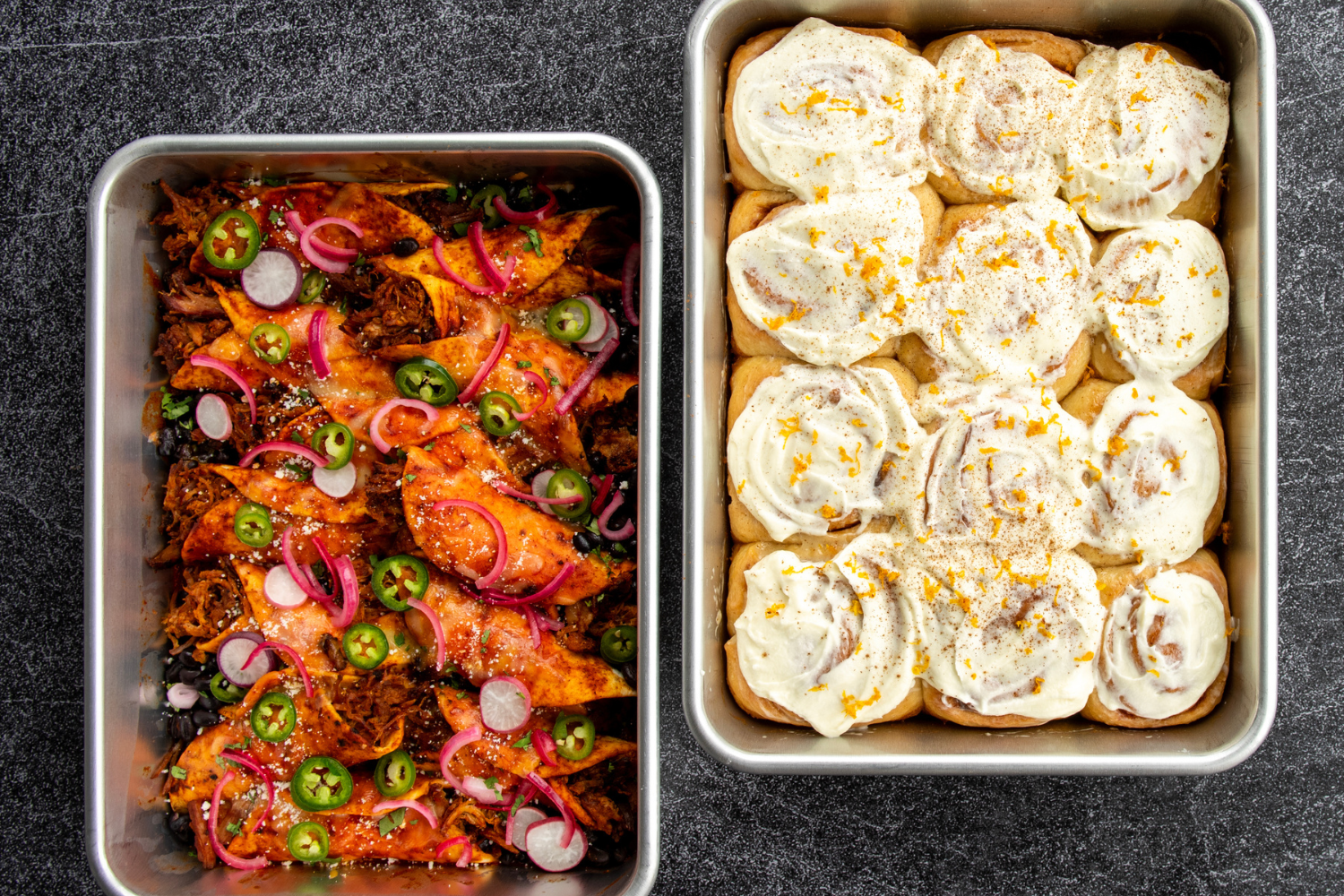
Most people meet the 13×9 through brownies, sheet cakes, or casseroles. That’s understandable, but it’s only the beginning.
Its relatively large surface area combined with taller sides makes a 13×9 particularly useful when you need room for ingredients and enough depth to contain juices, sauces, cheese, or whatever else dinner decides to throw at you.
Roasting Vegetables and Meats
Yes, you can roast in a baking pan.
A 13×9 is particularly useful for smaller roasting jobs that don’t justify pulling out a giant roasting pan. Think chicken breasts or thighs surrounded by vegetables, sausages with potatoes, or a pile of broccoli destined for crispy edges.
For better browning, don’t overcrowd the pan. Vegetables release moisture as they cook, and packing them too tightly encourages steaming rather than roasting. Give ingredients some breathing room and toss vegetables lightly with oil before they go into the oven.
For a one-pan dinner, consider cooking times before dumping everything in together. Dense potatoes and carrots generally need more time than asparagus or zucchini. Cut slower-cooking ingredients smaller, give them a head start, or add quick-cooking vegetables later.
One pan does not necessarily mean everything has to enter the oven at the exact same second.
Easy Sheet-Pan Meals
Technically, a 13×9 baking pan isn’t a sheet pan. But it can absolutely borrow the concept.
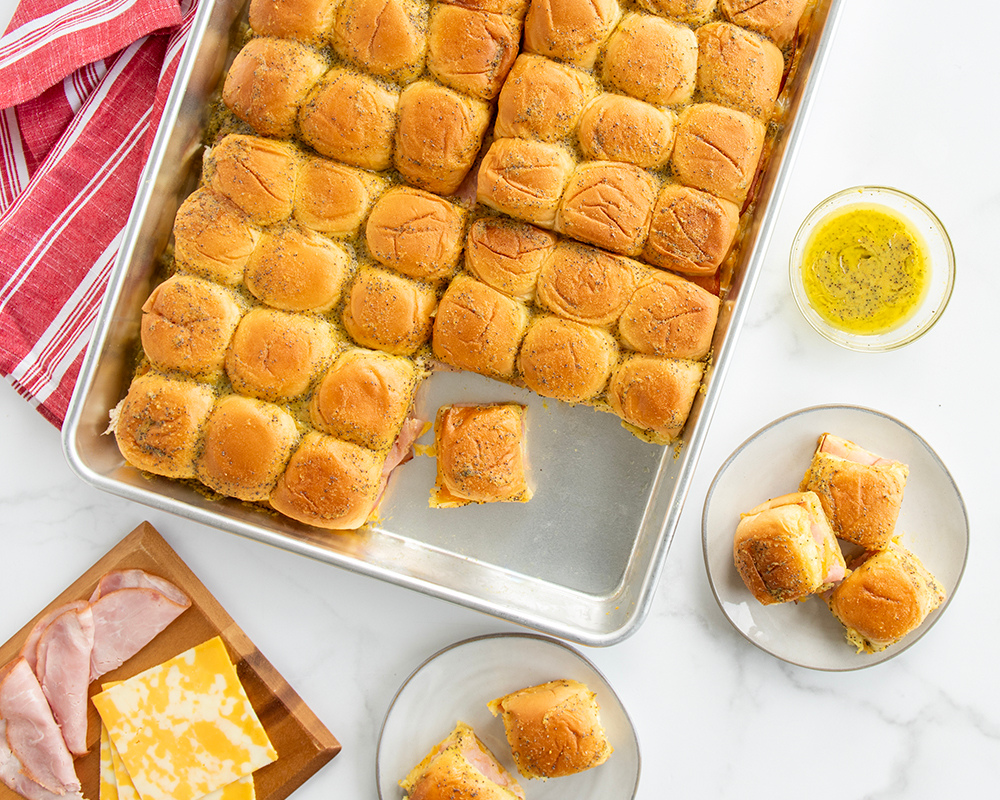
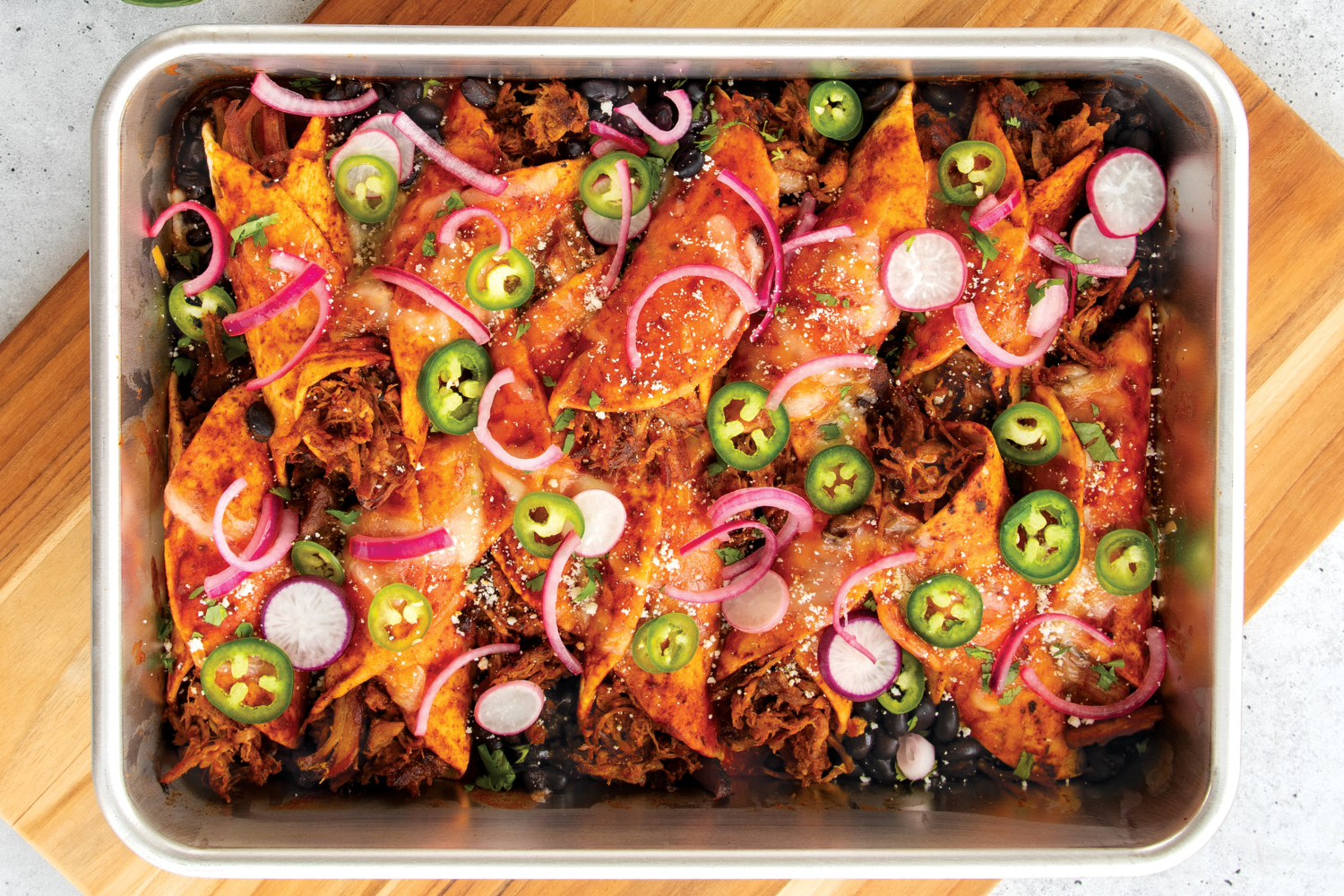
Build a complete dinner by combining a protein, vegetables, seasoning, and perhaps a starch in the same pan. Sausage with potatoes and green beans is an easy option. So is chicken with broccoli and small potatoes.
The higher sides can even be an advantage when ingredients release juices or you’re using a sauce or marinade.
And cleanup? One pan. We support that math.
Material Matters: Choosing Your 13×9 Pan
Here’s where things get slightly more complicated. A 13×9 isn’t just a 13×9.
Material affects how quickly the pan heats, how it transfers heat to food, how it browns, how heavy it feels, and how you need to care for it.
Aluminum vs Stainless Steel
Aluminum is an excellent heat conductor, which is one reason it remains so popular for bakeware. It heats relatively quickly and distributes heat efficiently, making it a strong choice for cakes, brownies, bars, and other baked goods where consistent results matter.
It’s also relatively lightweight, which you’ll appreciate when you’re removing a pan filled with bubbling baked ziti from the oven.
Bare aluminum can react with highly acidic ingredients, however, and may discolor over time. That discoloration isn’t necessarily a performance problem, but proper care matters.
Stainless steel is extremely durable, corrosion-resistant, and nonreactive, making it useful for a wide variety of savory and sweet foods. However, stainless steel by itself isn’t as efficient a heat conductor as aluminum. Construction matters: Some stainless pans incorporate other conductive materials to improve heat distribution.
Stainless is also generally heavier than aluminum, although the exact weight varies considerably by construction.
Neither material automatically wins. The better choice depends on what you cook most often and what qualities matter to you.
Why Glass Pans Have a Place
Glass brings something completely different to the 13×9 conversation.
Because it’s transparent, you can actually see what’s happening around the sides and bottom of your food. That’s useful for casseroles, lasagna, fruit desserts, and other dishes where visual cues can help determine doneness.
Glass also retains heat well, which can help keep food warm at the table. But it heats differently from metal, so swapping a glass pan into a recipe developed for metal can affect cooking time and browning.
Most importantly, glass requires attention to thermal shock. Sudden, dramatic temperature changes can cause some glass bakeware to break. Always follow the manufacturer’s temperature, preheating, and handling instructions for your particular pan.
Recipes You Can Make in a 13×9 Pan
The better question might be: What can’t you make in one?
Quick Casseroles
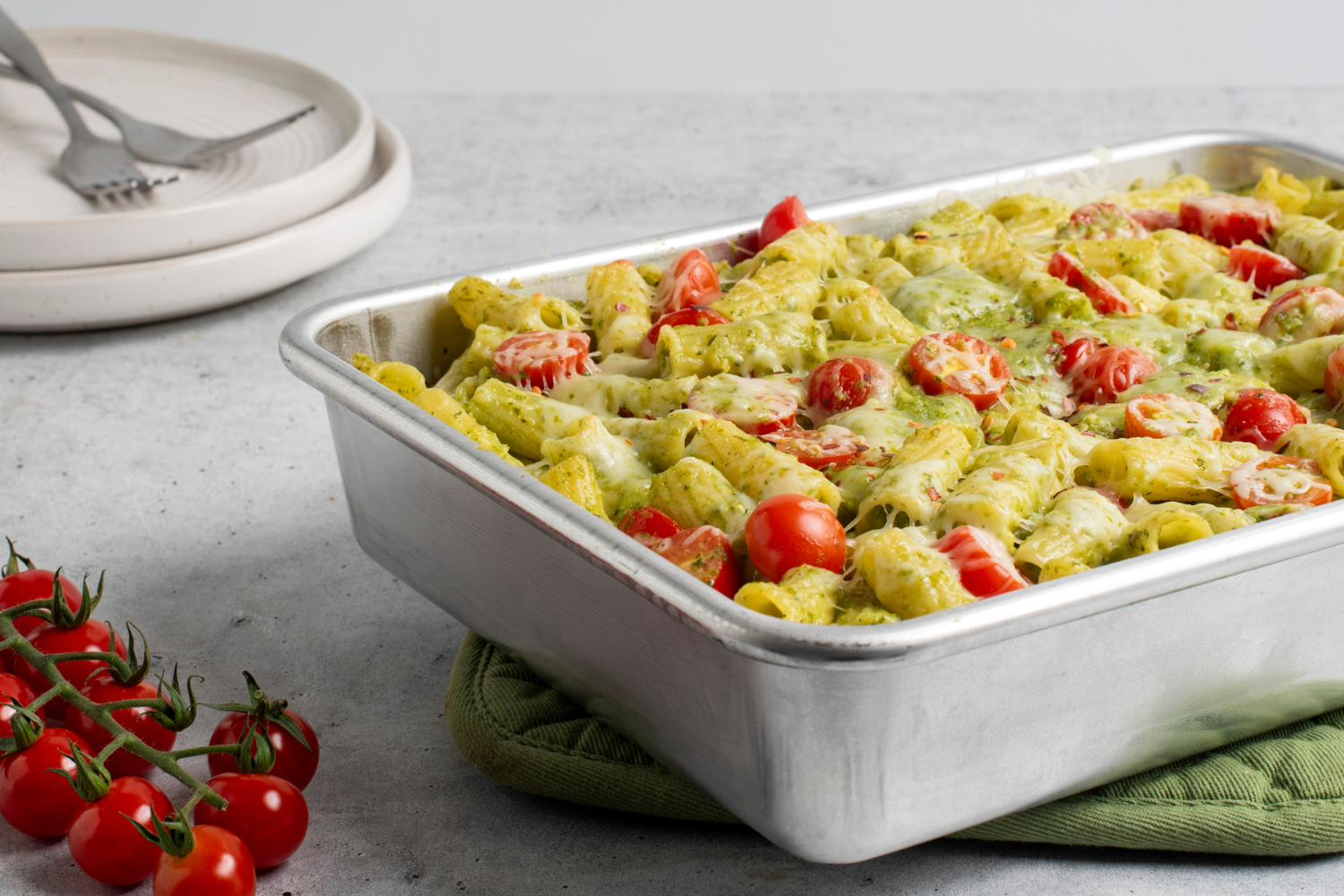
The 13×9 pan was basically born ready for casserole duty.
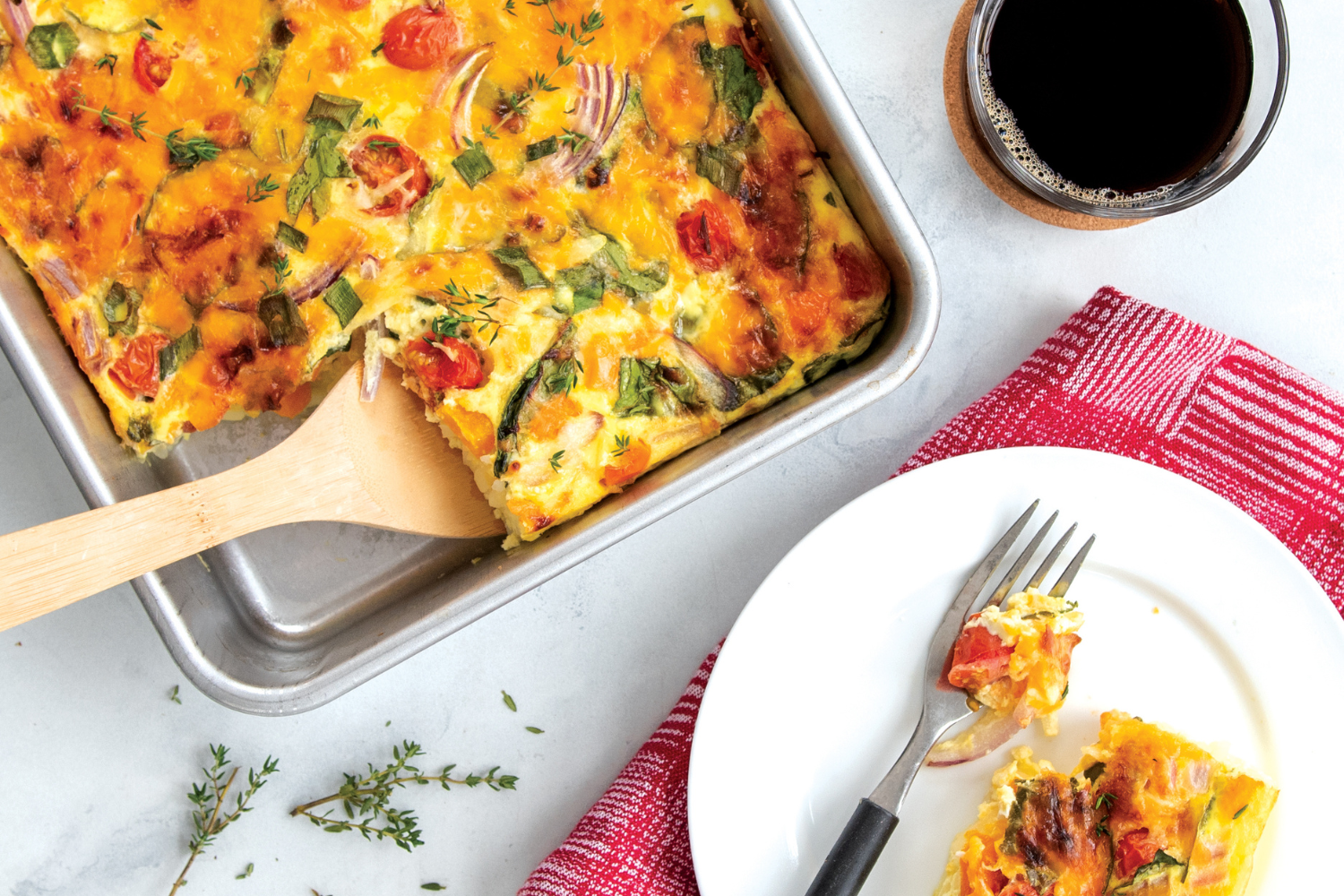
Lasagna, baked ziti, enchiladas, chicken and rice, breakfast casseroles, mac and cheese, and countless other family-style meals fit naturally into its rectangular shape.
It’s also ideal for meal prep because many casseroles can be assembled ahead, refrigerated, and baked when you’re ready. Just make sure your particular pan can safely move between the temperatures required by your recipe and its manufacturer.
Casseroles are also forgiving when it comes to substitutions. Swap vegetables based on what’s in the refrigerator, change cheeses, use a different protein, or adjust seasonings to make a familiar recipe feel new.
Baked Goods Galore
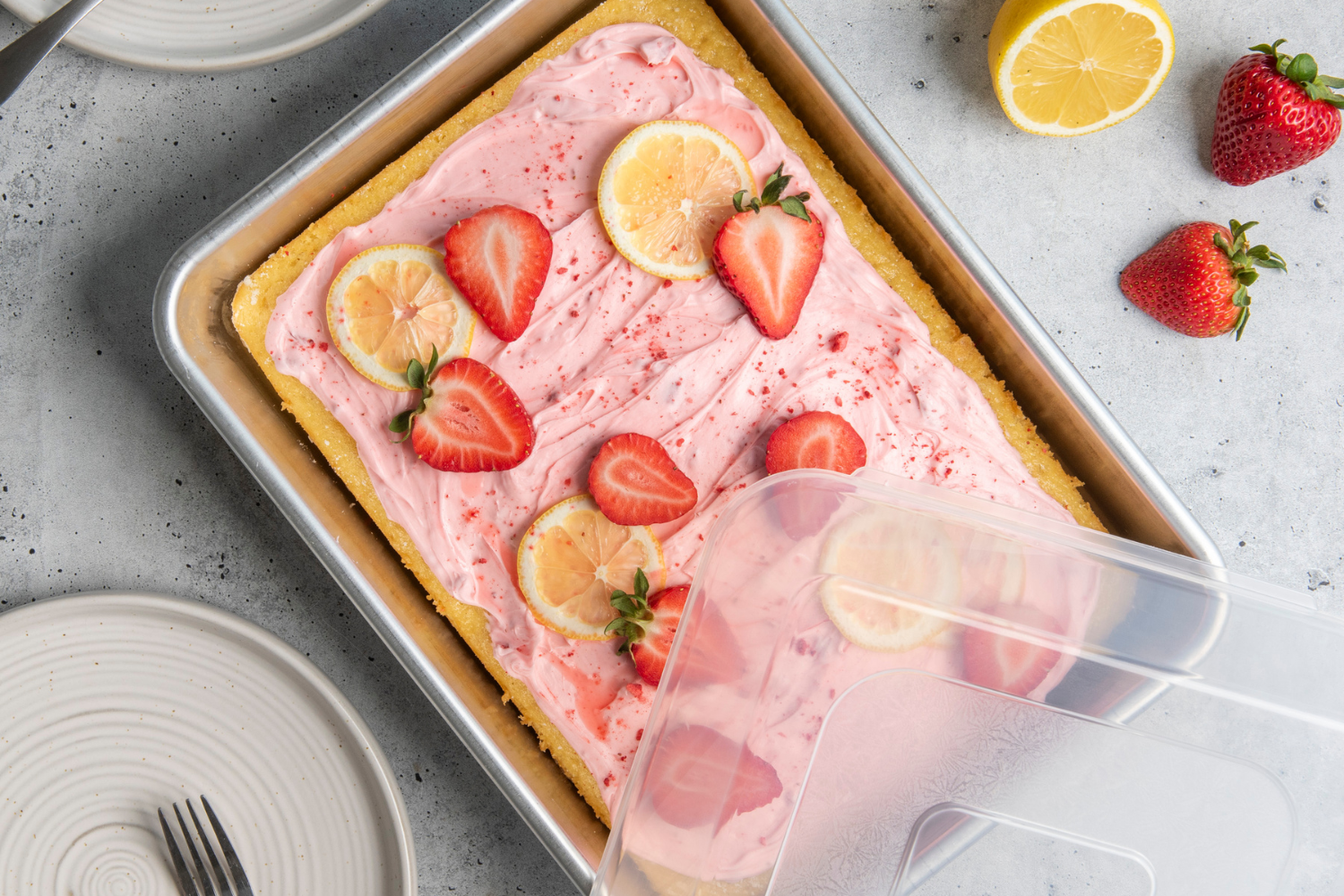
Then there are the desserts.
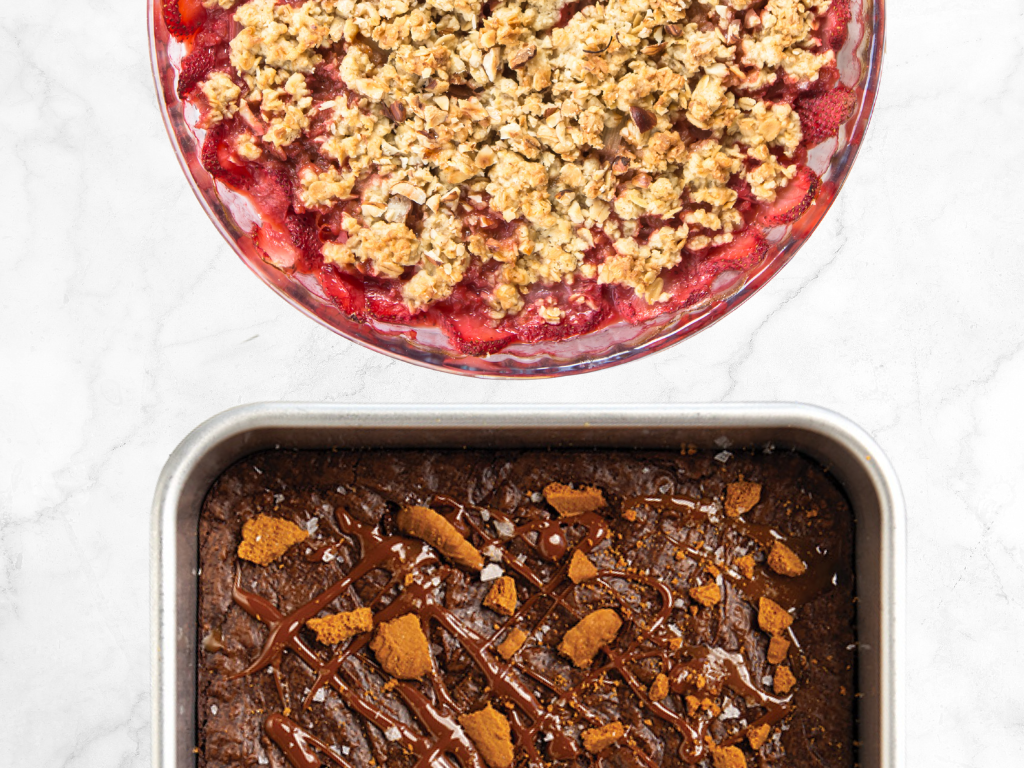
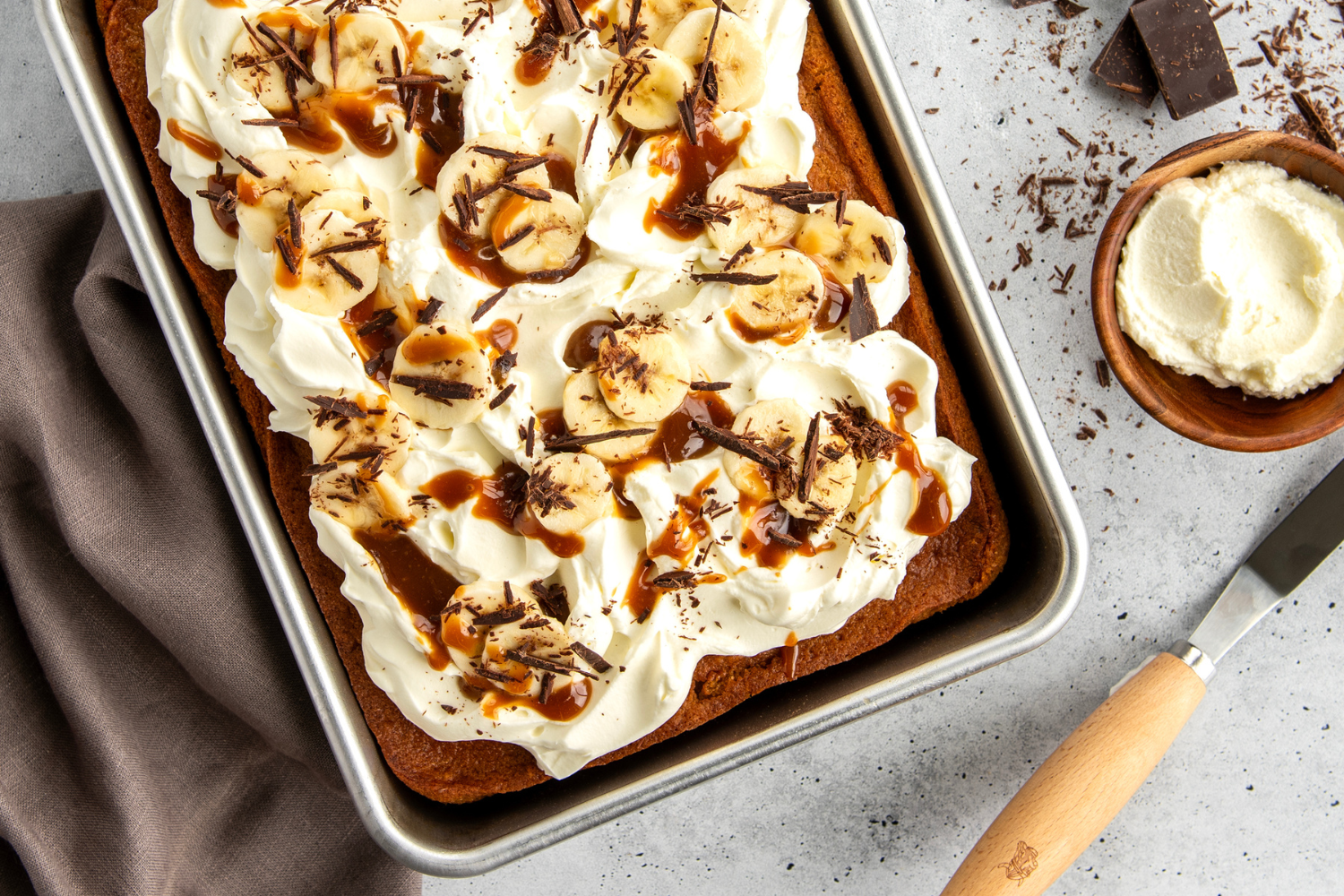
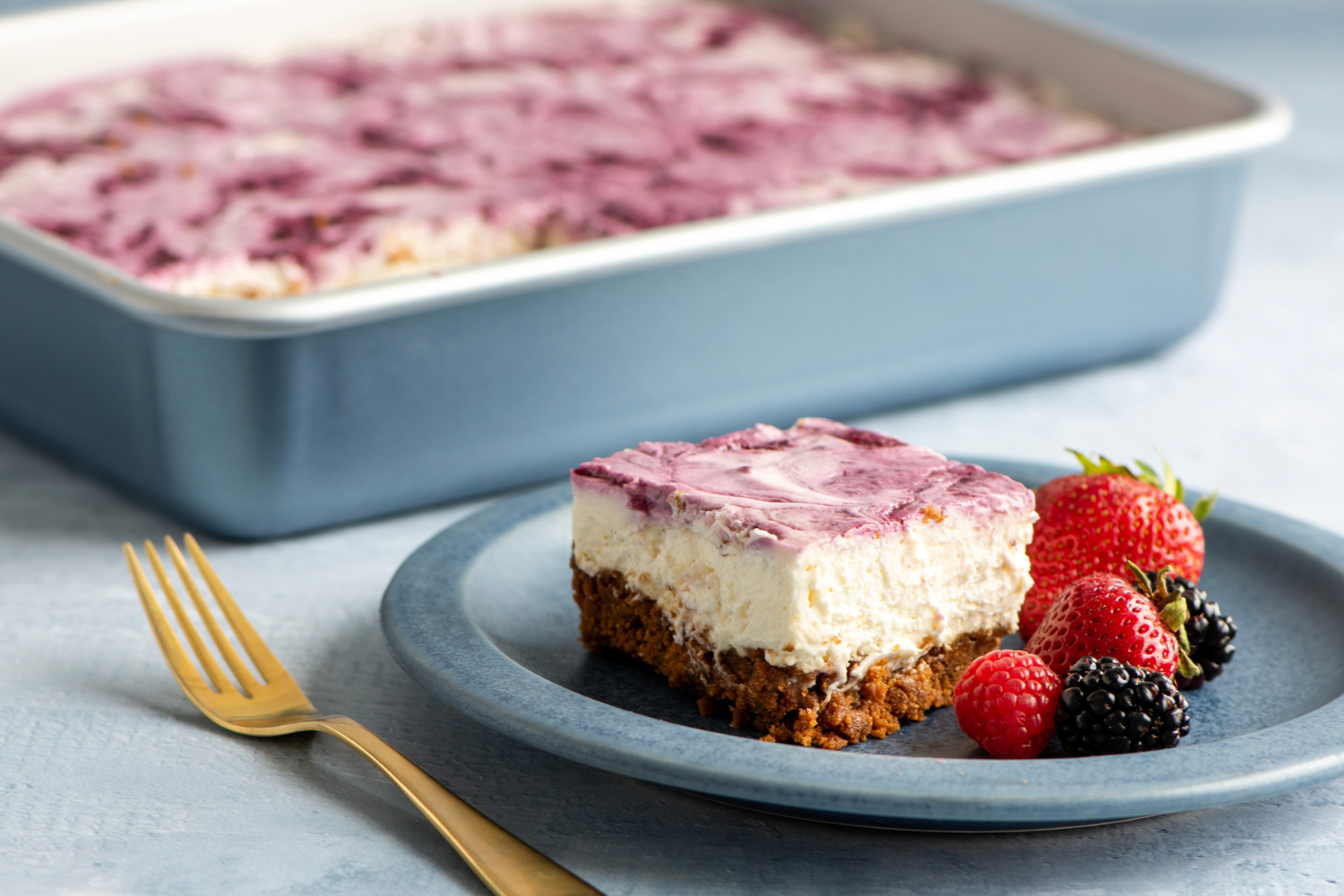
Brownies are an obvious choice, as are blondies, lemon bars, sheet cakes, coffee cakes, bread pudding, cobblers, and other shareable sweets.
The 13×9 format is particularly convenient when you’re baking for a crowd because desserts can often be cut and served directly from the pan.
For brownies, remember that the pan material can influence how quickly the edges and bottom cook. Don’t assume switching from metal to glass or vice versa will produce identical results at exactly the same time.
And please don’t wait until the brownies look completely dry before removing them from the oven if the recipe calls for a fudgy center. Brownies deserve better.
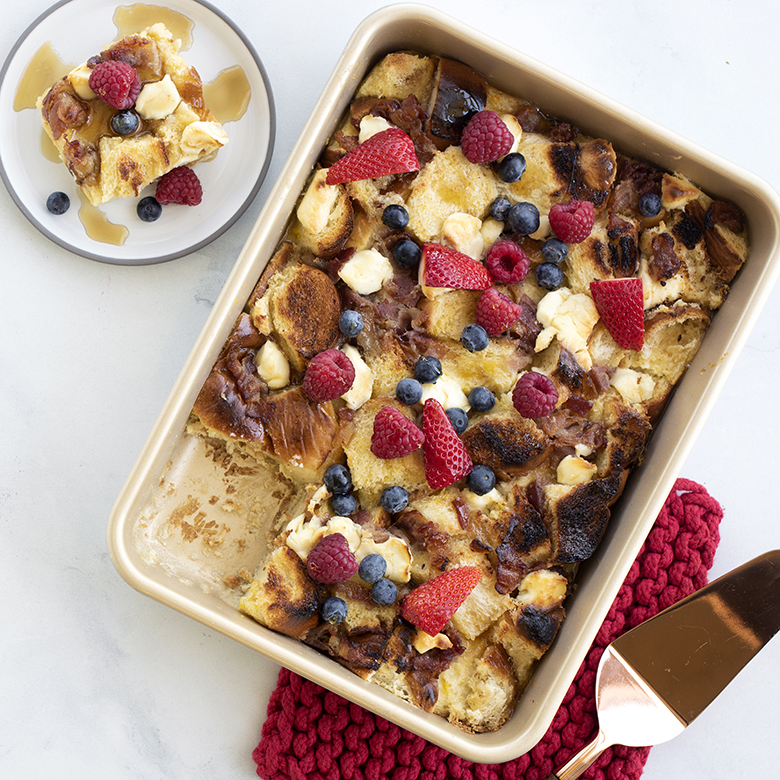
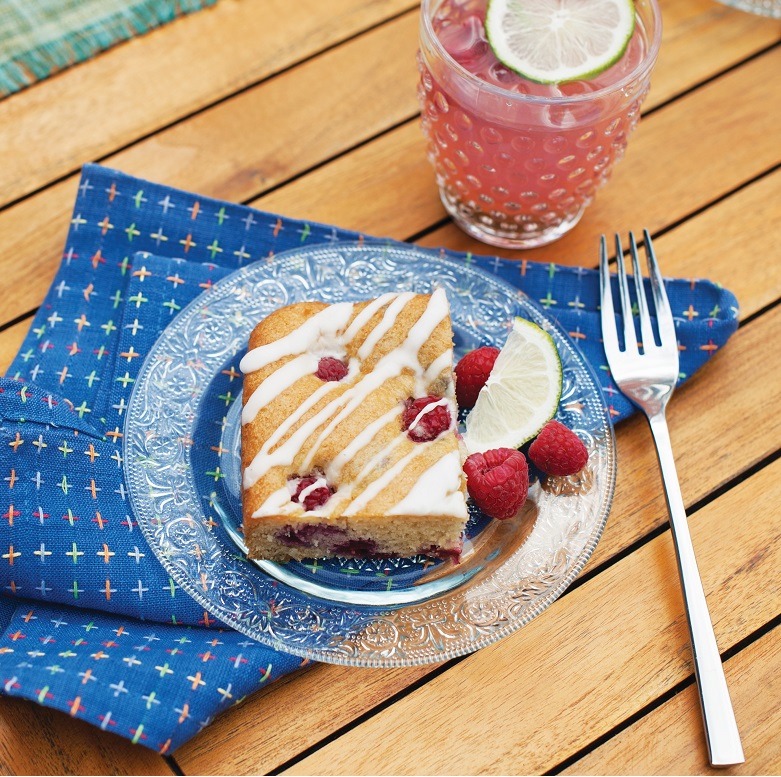
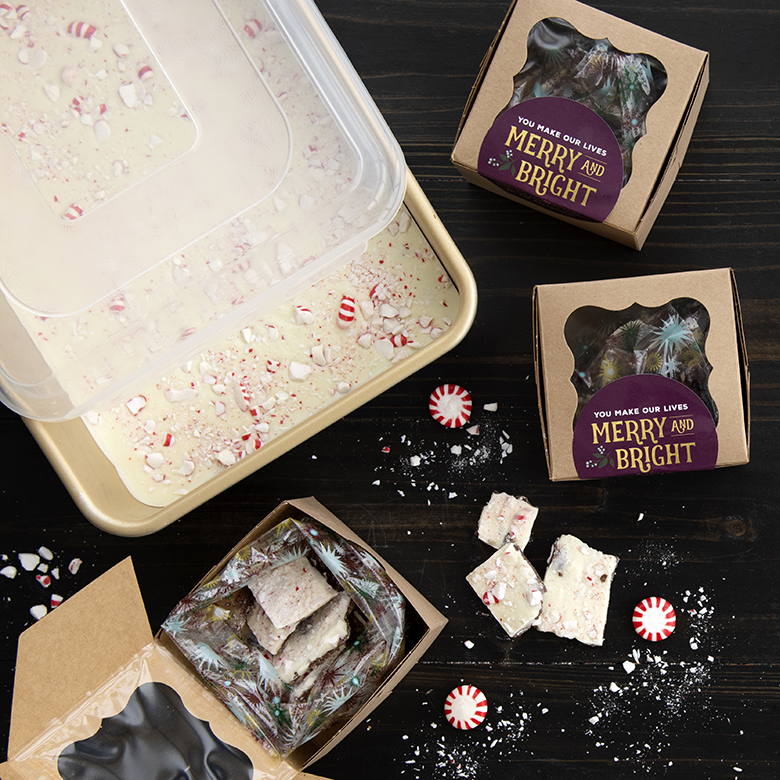
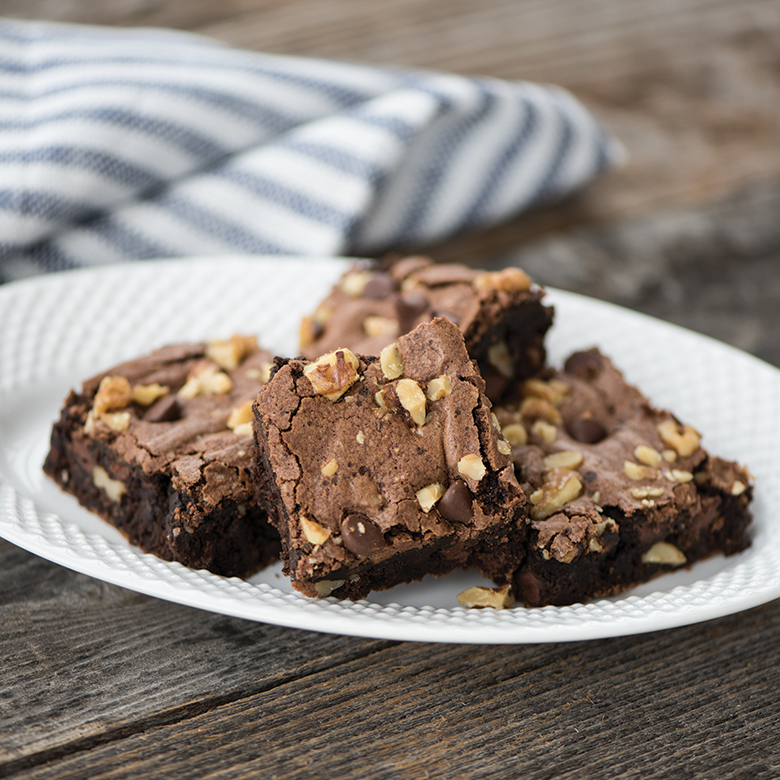
Recipes We Love to Make in 13 x 9 Pans
- Pecan Brownies
- Pumpkin Blondies with Espresso Chocolate Ganache and Gingersnap Crumble
- Bacon French Toast Bake
- Peppermint Bark
- Raspberry Lime Cake
Maintaining Your 13×9 Pan for Longevity
A good baking pan can last for years, but only if you don’t treat it like it’s indestructible.
Avoiding Rust and Corrosion
Cleaning instructions depend heavily on material and finish, so the manufacturer’s directions should always win.
For metal pans, remove baked-on food without aggressively attacking the surface with something that could scratch it. This is especially important with nonstick or otherwise coated bakeware.
Bare aluminum can naturally discolor or develop a patina over time. Stainless steel is more resistant to corrosion, but it still deserves to be washed and dried properly.
Glass won’t rust, but it can become scratched, chipped, or damaged. Inspect glass bakeware regularly and retire pieces according to manufacturer guidance if they’re compromised.
And dishwasher-safe doesn’t necessarily mean dishwasher-ideal. Repeated dishwasher use can affect the appearance or finish of some bakeware. If longevity is the goal, check the care instructions rather than assuming every pan wants the full high-heat dishwasher experience.
Storage Solutions
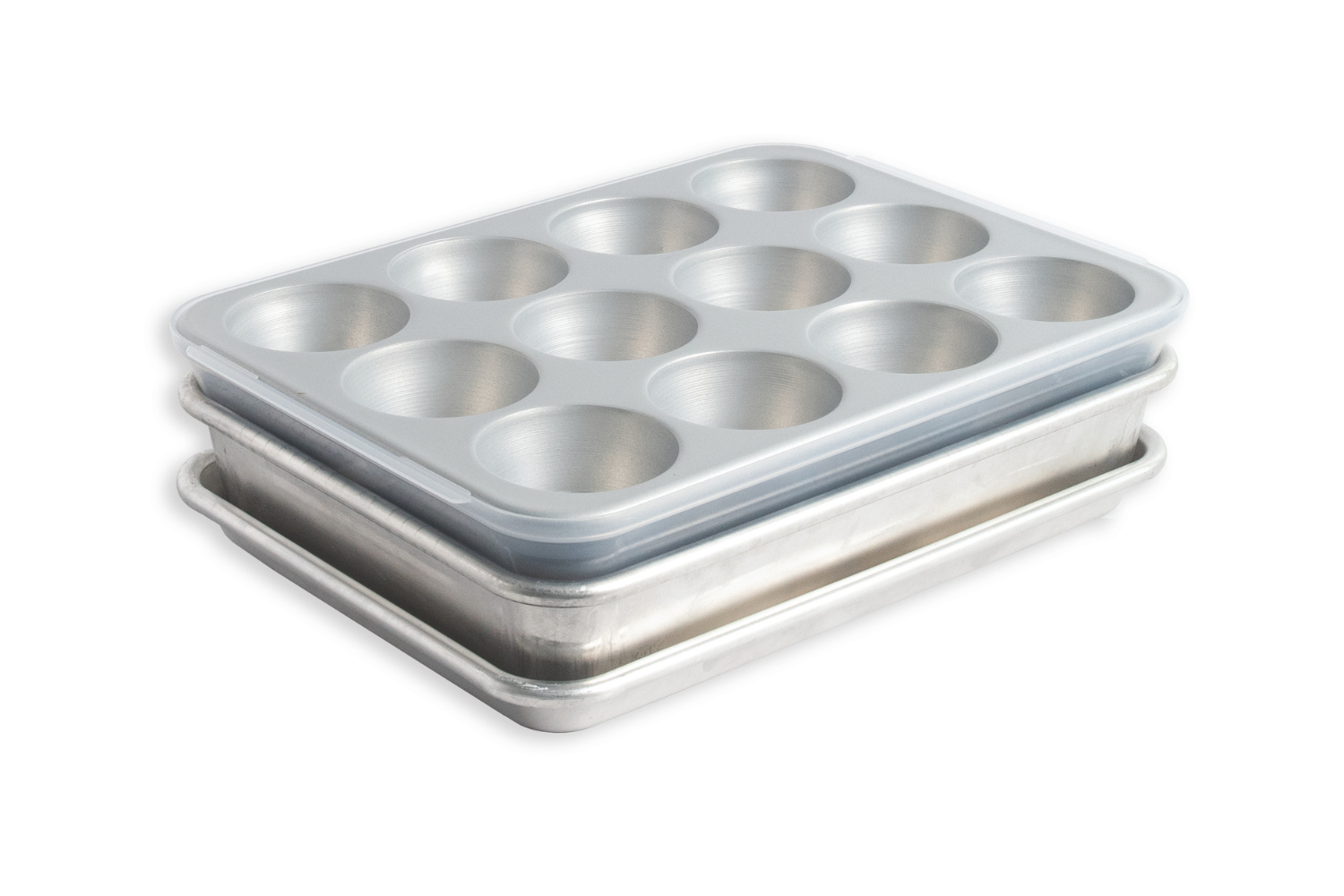
The easiest way to store a 13×9 is stacked with similar bakeware, but don’t create a leaning tower of metal pans that scrapes every surface each time you need the one on the bottom.
If you’re nesting coated pans, consider placing a soft pan protector or towel between them.
Vertical organizers can also work well if cabinet space allows. Whatever method you choose, avoid putting excessive weight on pans in a way that could bend or warp them.
What Makes a Pan Versatile?
A 13×9 succeeds because its dimensions hit a culinary sweet spot: large enough for family-style cooking but small enough to fit comfortably in most standard ovens.
Understanding Dimensions
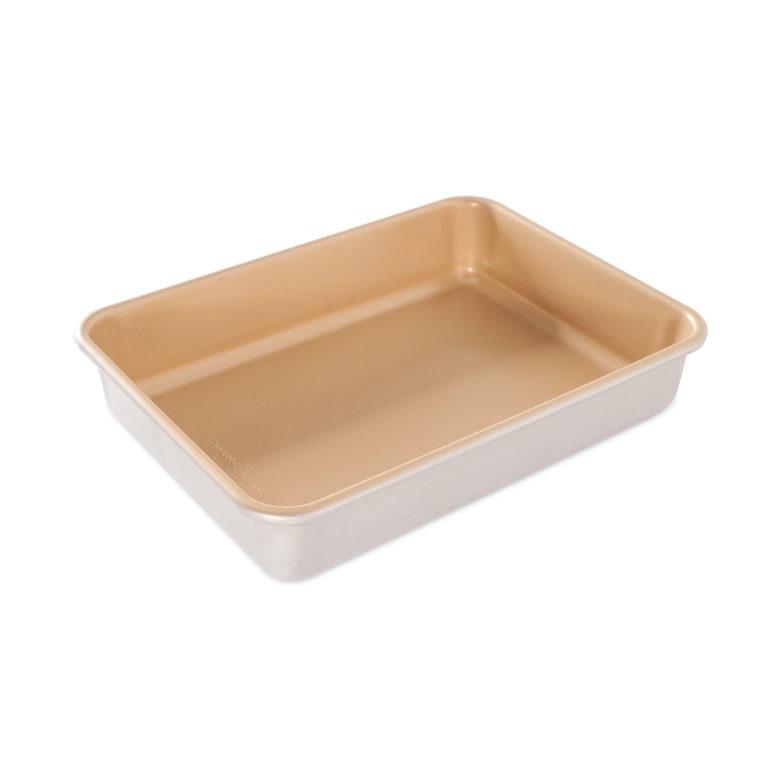
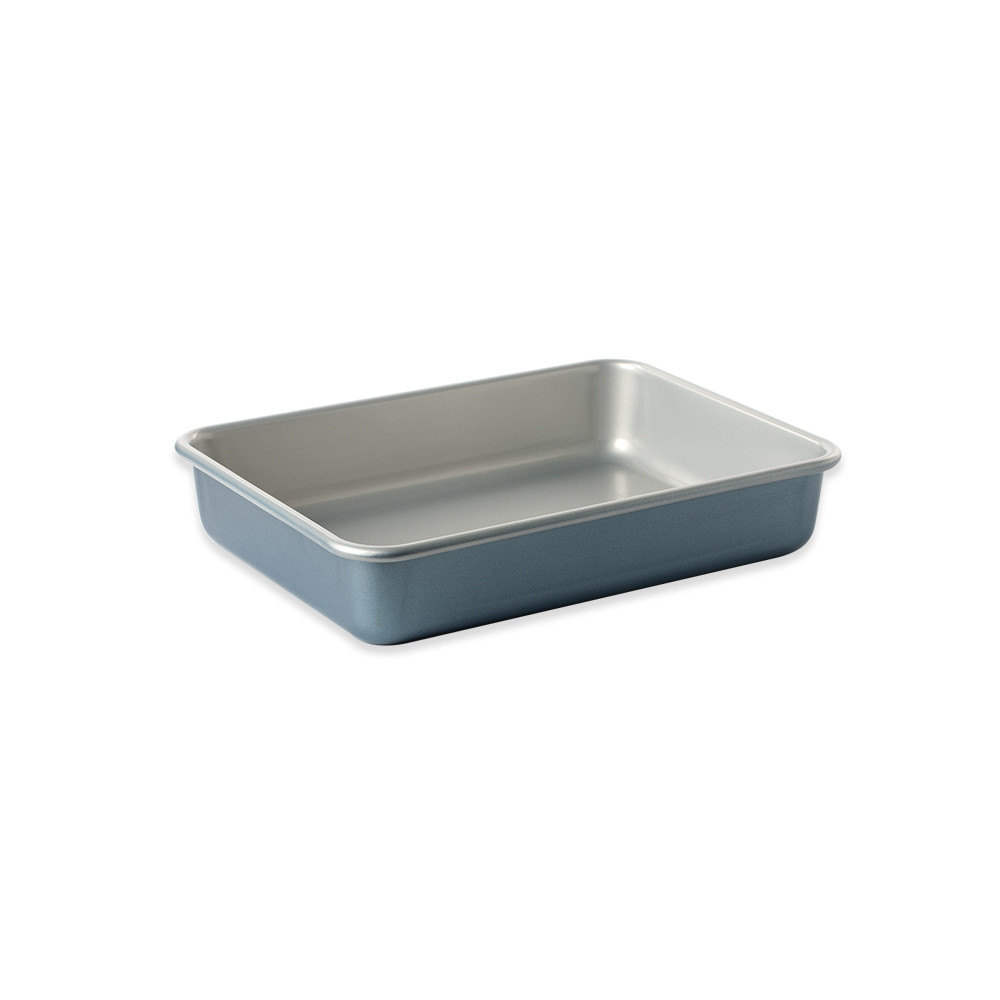
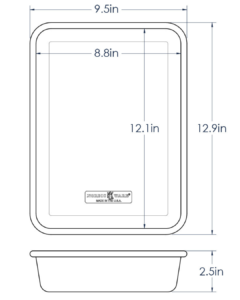
A standard 13×9 pan measures approximately 13 inches long by 9 inches wide, with many versions around 2 inches deep. But, and this matters, not every product labeled 13×9 has identical interior dimensions, wall angles, rim sizes, or capacities.
Those differences can affect recipes.
A deeper pan holds more food. A pan with sloped walls may have less usable capacity near the bottom than one with straight sides. Handles and oversized rims can also increase the pan’s exterior footprint, which matters in smaller ovens.
And yes, 13×9 and 9×13 mean the same basic thing. We’re just reversing the order of the measurements. Kitchen terminology likes to keep us humble.
Design Elements
Straight-sided pans are especially useful for layered desserts, cakes, lasagna, and dishes where defined edges matter. Sloped walls can make certain foods easier to serve and remove.
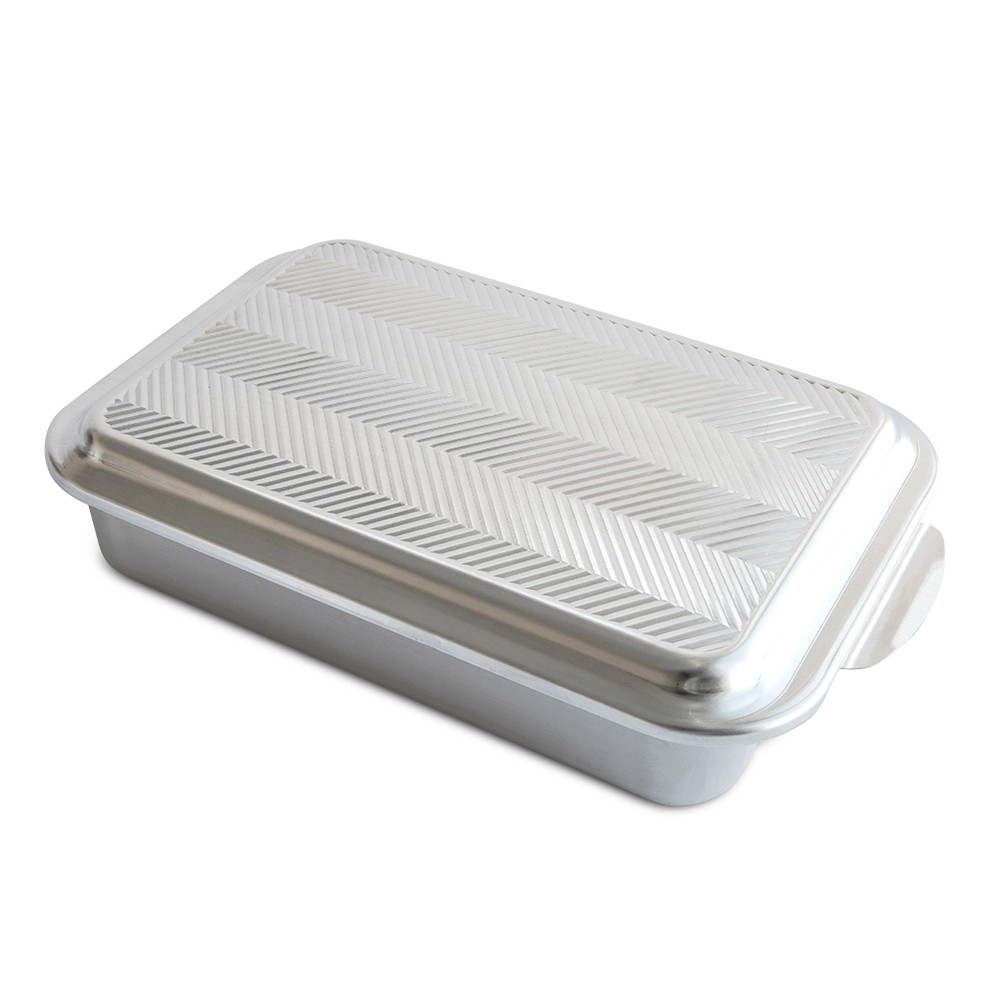
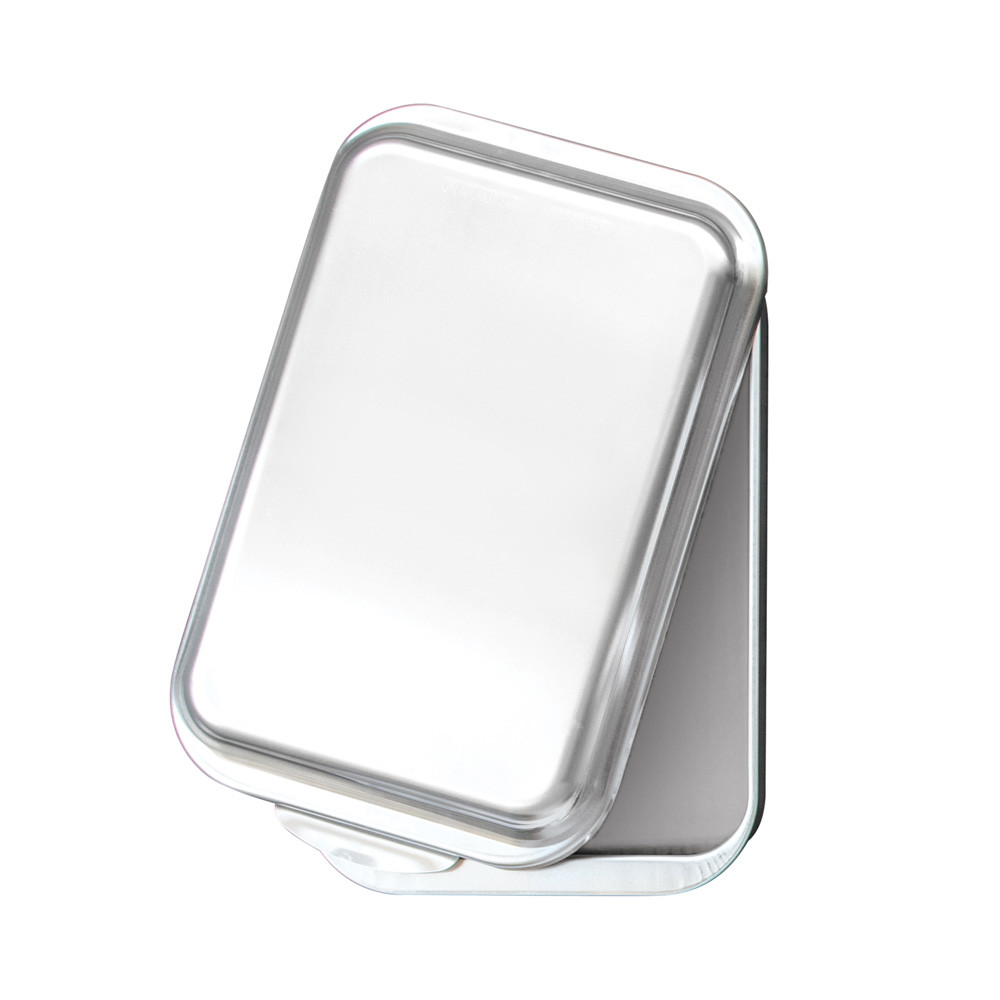
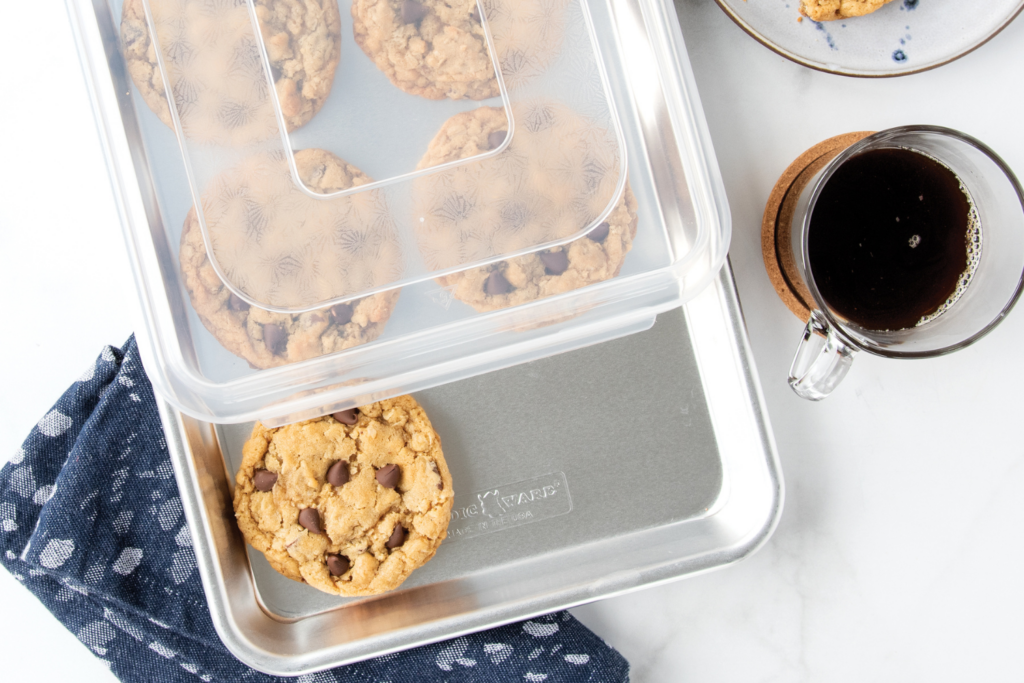
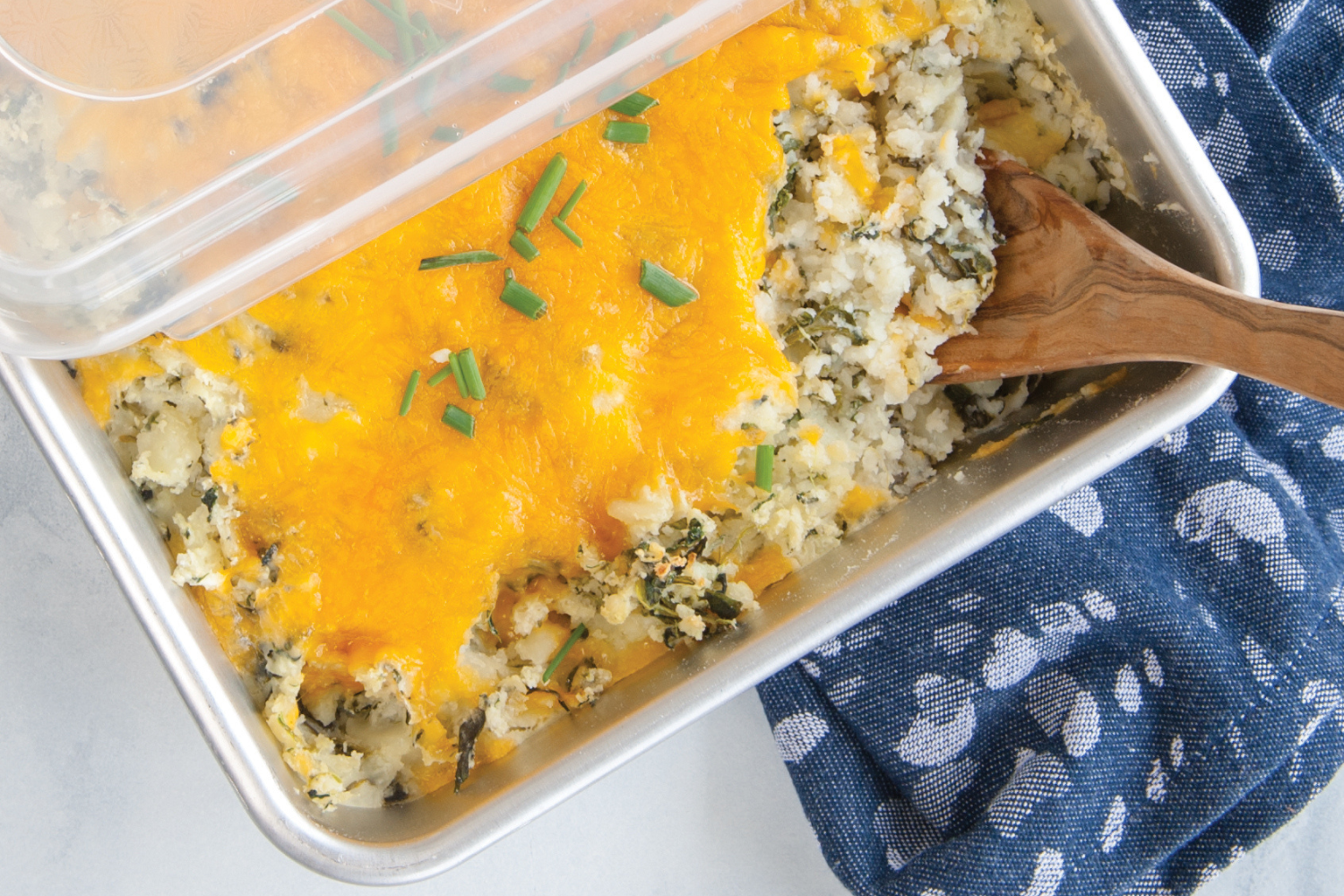
Lids can also dramatically increase versatility, particularly if you regularly transport food or store leftovers directly in the pan.
Investment Worth: The Long-Term Value of Quality Kitchen Equipment
Unlike the specialized gadget you bought three years ago and have used exactly twice, a 13×9 pan can earn its keep constantly.
That’s why quality matters.
Material Durability
A heavier-duty, well-constructed pan may resist denting, twisting, or warping better than a very thin alternative. Durable materials and finishes can also mean fewer replacements over the years.
That doesn’t mean you need to buy the most expensive 13×9 available. Price alone doesn’t guarantee performance.
Instead, look at construction, material, weight, warranty, care requirements, and how you actually intend to use the pan.
Functionality Over Time
If choosing a coated pan, remember that no nonstick finish should be assumed to last forever. Using the recommended utensils, cleaning tools, temperatures, and storage methods can help preserve its performance.
For uncoated pans, longevity often comes down to sturdy construction and proper maintenance.
The cost-per-use equation also favors versatile cookware. Spend a little more on a pan you use for brownies, casseroles, roasted vegetables, chicken dinners, baked pasta, and birthday cakes, and that purchase starts looking considerably more reasonable.
Your single-purpose avocado slicer cannot say the same.
Conclusion
The 13×9 isn’t the flashiest piece of cookware in the cabinet, and that’s sort of the point. It works. It can take you from Tuesday-night baked pasta to Saturday brownies to Sunday dinner without requiring three different pieces of cookware. Choose a material suited to the way you cook, care for it properly, and a quality 13×9 can become one of those pieces you reach for without even thinking about it.
Maybe that’s the ultimate measure of a kitchen workhorse: not how impressive it looks on the shelf, but how often you realize it’s already in the dishwasher when you need it again.
FAQ Section
Q: What size is a 13×9 pan?
A 13×9 pan generally refers to a rectangular baking pan measuring approximately 13 inches long by 9 inches wide. Many are around 2 inches deep, although exact interior dimensions, capacity, and depth vary by manufacturer.
Q: Is there a difference between 13×9 and 9×13?
No. The terms 13×9 and 9×13 are generally used interchangeably to describe the same rectangular pan size. Always check a specific pan’s dimensions and capacity if you’re working with a recipe where volume is especially important.
Q: What to use if I don’t have a 13×9 pan?
Two 8×8 pans can sometimes substitute for a 13×9, although the total surface area isn’t identical and cooking time may change. An 11×7 pan is not an equivalent-capacity substitute for a 13×9 and will produce a substantially deeper layer if it can hold the recipe at all. When substituting pans, compare capacity or surface area rather than dimensions alone and begin checking for doneness earlier when appropriate.
Q: What are 13×9 pans typically used for?
They’re commonly used for brownies, sheet cakes, bars, casseroles, lasagna, baked pasta, cobblers, bread pudding, roasted meats and vegetables, and one-pan meals. Their combination of surface area and depth is what makes them so versatile.